What Evidence Do You Need for a Car Accident Claim
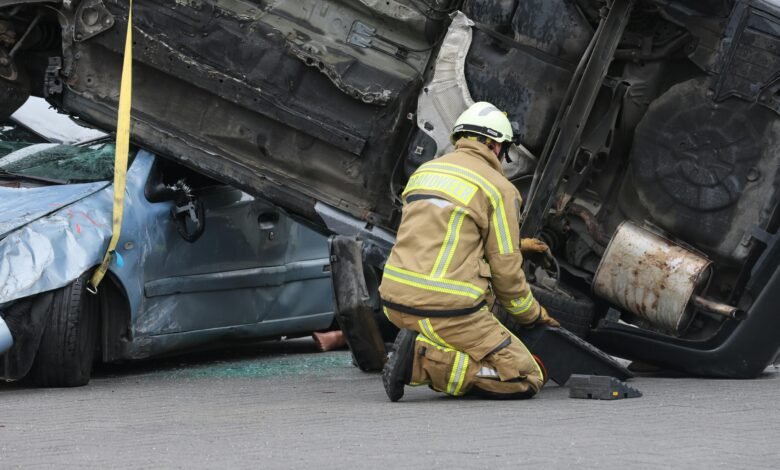
After a crash, the claim you file is only as strong as the evidence behind it. The insurance company will not take your word for what happened, and the other driver’s version will be different from yours. What you need for a car accident claim is not one magic document. It is a collection of ordinary things, gathered early, before they disappear. This guide goes through them one by one, in the order you are likely to need them.
What Counts as Evidence in a Car Accident Claim
Evidence is anything that helps show what happened, who was at fault, and what the crash cost you. Photos, the police report, your medical records, witness statements, repair bills. None of these is hard to get on its own, but all of them get harder to get with time. Photos get deleted. Witnesses forget details or stop answering calls. Surveillance footage is recorded over, sometimes within days. The best time to gather evidence is the day of the crash. The second best time is today.
Start with the Scene
If you are able to, take photos at the scene before anything is moved. Photograph both cars from several angles, the damage close up, the road, skid marks, traffic signs and signals, and the weather and light. A short video walking around the scene can capture things a photo misses. Note the time and the exact location. Exchange details with the other driver: name, phone number, insurance company and policy number, licence plate, and the make and model of their car. Do not admit fault at the scene, even to be polite. A simple apology can be used against you later. Stick to the facts, and let the evidence speak.
The Police Report
If the police came to the scene, there will be a report. It usually contains the officer’s description of what happened, a diagram of the crash, the drivers’ details, any tickets issued, and the officer’s opinion on who was at fault. Get a copy as soon as you can, usually from the police department or online. Read it carefully. If something in it is wrong, a wrong street name, a missing detail, a statement you did not make, ask for a correction and put your request in writing. If the police did not come to the scene, file a report yourself at the station, or online where your state allows it. A report filed late is still better than no report at all.
Your Medical Records Tell the Story
See a doctor promptly, even if you feel fine. Some injuries, especially soft tissue injuries and concussions, do not show up until a day or two later. A visit on the day of the crash ties your injuries to the crash in a way nothing else can. Keep every record: emergency room notes, follow-up visits, test results, prescriptions, physiotherapy notes. Go to the appointments you are given, and tell the doctor everything that hurts, even the small things. Gaps in treatment are used against you. If you stop going to appointments for three weeks and then start again, the insurer will argue that you must not have been badly hurt. Keep a short daily note of your pain and what you cannot do, a sentence or two a day. It is not dramatic, but it is convincing.
Witnesses and Other People
Witnesses matter more than most people think, because the two drivers almost always disagree about what happened. If anyone saw the crash, get their name and phone number at the scene. A bystander, a passenger in another car, a shopkeeper. Your lawyer can take a proper statement from them later. Also think about cameras. Many cars now have dashcams, and many shops and homes have security cameras pointing at the street. That footage is often recorded over within days or weeks, so ask for it quickly, and ask in writing. Your own passengers can be witnesses too, though the insurer will treat them as less independent than a stranger.
What the Other Side Has
The other driver’s insurer will be gathering evidence too: photos of their car, a statement from their driver, their own repair estimates. You are entitled to see some of this once a claim is underway, and your lawyer can request it. Keep your own repair estimates and bills, and get more than one estimate if you can. Keep the receipts for everything the crash cost you: the tow truck, the rental car, the days you missed work. These small amounts add up, and they are part of your claim. Do not give a recorded statement to the other driver’s insurer without talking to a lawyer first. You are not required to, and an innocent remark can be used to reduce what you are paid.
How to Keep It All Together
Put everything in one place. A folder on your phone or a paper folder in a drawer, it does not matter, as long as it is all together. Keep a simple timeline: the date of the crash, the date of each doctor’s visit, the date you reported the claim, the date of each call with the insurer. Write down the name of every person you speak to at the insurance company and what they said. When you send your lawyer the file, this timeline is the first thing they will read, and a clear one saves weeks of back and forth.
Questions People Ask
What if I didn’t take any photos at the scene?
It is not fatal to your claim. Go back and photograph the location as soon as you can, even if the cars are gone, and photograph the damage to your car now. Ask whether anyone else took photos, a passenger, a bystander, the police. Check for cameras in the area. The claim can still succeed, but it will lean more heavily on the police report and the medical records.
What if the police report is wrong?
Ask for a correction, in writing, and keep a copy of your request. The officer may add a note to the report. Even if the report is not changed, your own evidence, photos, witnesses, medical records, can still carry the case. A police report is strong evidence, but it is not the final word. Officers were not always there when the crash happened.
Do I need a lawyer to gather evidence?
No, and you should start gathering it yourself right away, because the early evidence disappears fastest. A lawyer becomes useful when evidence has to be obtained from someone who will not hand it over, such as a company that owns a security camera, or when an expert is needed to explain what the evidence means. Most injury lawyers will tell you at a free consultation whether they can help.
How long should I keep all of this?
Keep everything until the claim is fully settled and the money has been paid, and then keep the settlement documents for several years after that. Do not throw away medical records or bills once the case is over. If a bill resurfaces later, or an insurer asks a question, you will want the paperwork.
Disclaimer: This article is general information only and is not legal advice. Evidence rules and claim procedures vary by state. For advice about your own situation, please speak to a licensed attorney in your state.

Rana Ali is a dedicated legal researcher and content strategist with a focus on personal injury and accident litigation in the USA. He specializes in analyzing settlement trends and helping victims find top-rated legal resources. With a commitment to accuracy, Rana provides insights that empower readers to understand their legal rights.”