Birth Injury Claims: A Guide for Parents in the USA
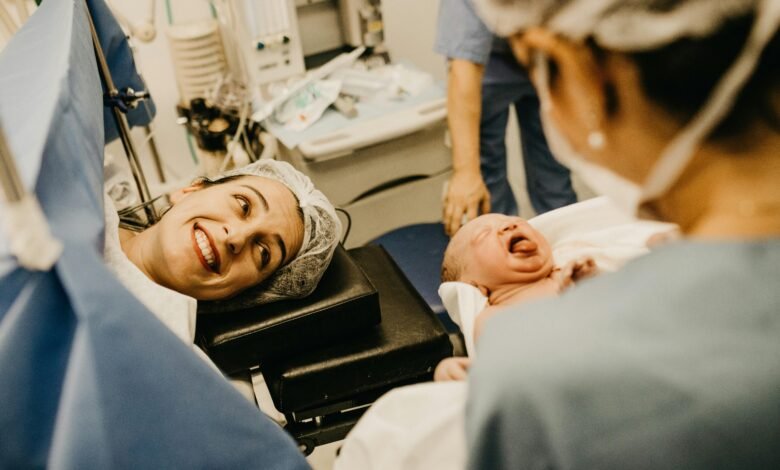
Nothing prepares a parent for the moment they realise their baby was hurt during birth. One day you are bringing a new life home, and the next you are sitting in hospital corridors, hearing words you do not understand, and wondering whether what happened could have been prevented. If you are in that place, this guide is for you. It explains, in plain language, what a birth injury claim is, what to do first, and how the process works, so you can make decisions without being rushed.
What Is a Birth Injury?
A birth injury is harm to a baby that happens during pregnancy, labour or delivery. Sometimes it is minor and heals on its own, a bruise or a swollen scalp. Sometimes it is serious and lasting, such as a brain injury from a lack of oxygen, nerve damage to the shoulder or arm, or a broken bone. Not every birth injury is caused by a mistake. Some happen even when the medical team did everything right, because birth is unpredictable and sometimes things go wrong without anyone being at fault. A birth injury claim is about the cases where the injury was caused, or made worse, by care that fell below the standard a careful professional would have provided.
What Counts — and What Doesn’t
Some situations clearly raise questions. A baby who was deprived of oxygen for too long because warning signs on the monitor were missed. A delivery that was delayed when an emergency caesarean was needed. Forceps or a vacuum used too forcefully, or used when they should not have been. An infection in the mother or baby that was not treated in time. A medication error during labour. These are the kinds of cases lawyers see most often.
Other situations are harder. A condition the baby was born with, such as a genetic disorder, that no one could have prevented. A difficult delivery where the medical team made reasonable choices and the outcome was still poor. A complication that was a known risk of a procedure that was explained to you beforehand. Being unhappy with how the birth went is not the same as having a claim, and a good lawyer will tell you that honestly. It is a hard thing to hear, but it is better than spending years on a case that cannot succeed.
What to Do First
Your first priority is your baby’s care, and that comes before any legal question. Get a second opinion if you have doubts about the diagnosis or the treatment plan. Ask for a full explanation of what happened during the delivery, and write down what you are told. Request copies of the medical records, both yours and your baby’s: the labour notes, the monitor strips, the test results. In the United States you have a right to request these records, although the hospital may charge a reasonable copying fee and may take some time to provide them. Keep a simple diary of your baby’s appointments, treatments and progress. It will matter later, both for the medical care and for any claim.
How a Birth Injury Claim Usually Works
It starts with a consultation, which is usually free. Bring your records and your notes. The lawyer will listen, ask questions, and tell you honestly whether the case looks worth investigating. If it does, they will gather the full medical records and send them to a medical expert, usually a doctor who specialises in the same field, to review what happened. That review can take weeks or months. If the expert says the care fell short, the case can move forward. If the expert says the care was reasonable, the case stops there, and you will have spent nothing. These cases almost always work on a contingency fee, which means you pay nothing upfront and the lawyer is paid a percentage of what is recovered.
Time Limits Are Different for Children
Every state sets a deadline for filing a claim, and for birth injuries the rules are often different from those for adults. In many states, the deadline for a child’s claim does not start until the child reaches a certain age, which can give you more time than you might expect. But the rules are technical, they vary by state, and in some states the deadline for the parents’ own claim, for the mother’s injuries or the medical bills, is much shorter. Do not rely on the extra time. Records disappear, memories fade, and a case is easier to prove when the evidence is fresh. Talk to a lawyer early, even if you are not sure you want to make a claim.
What a Settlement Can Cover
A birth injury settlement is not about a single bill. It is about the cost of caring for your child over a lifetime. That can include medical treatment, therapy, specialist equipment, and the care your child will need as they grow. It can also include the income a parent loses when they have to stop work or reduce their hours to care for their child. In many cases the money is placed in a trust or a structured settlement, so that it is there for your child’s future needs rather than spent at once. The court usually has to approve any settlement for a child, which is an extra protection for your family.
Questions Parents Ask
Will making a claim affect my child’s care?
No. Your child’s doctors are not the people you are claiming against, and making a claim does not change the care your child receives. If you are worried about the relationship with your current medical team, you can change to a different doctor or hospital. Your child’s care comes first, always, and a lawyer will tell you the same thing.
How long do birth injury cases take?
Longer than most injury cases, often a year or more, because medical experts have to review the records, and the full extent of the injury may not be clear until your child is older and their development can be assessed. The early stage, getting the records and an expert opinion, can itself take several months. Your lawyer should keep you updated on where things stand, and you should never feel afraid to ask.
What if the hospital says it was nobody’s fault?
That is what hospitals usually say, and it is not the end of the matter. The hospital’s view is not an independent one. That is why an independent medical expert reviews the records. If the expert says the care was reasonable, the case stops. If the expert says it fell short, the case can go ahead, whatever the hospital says.
Can I complain without filing a lawsuit?
Yes. Hospitals have patient advocates and complaint processes, and your state medical board accepts complaints about doctors. A complaint will not get you compensation, but it can lead to an investigation, and it creates a record. You can make a complaint and still talk to a lawyer about a claim. If you need help finding a lawyer, the American Bar Association’s Find Legal Help page can point you to free or low-cost legal help in your area.
Disclaimer: This article is general information only and is not legal advice. Birth injury law and deadlines vary by state, and every case depends on its own facts. For advice about your own situation, please speak to a licensed attorney in your state.

Rana Ali is a dedicated legal researcher and content strategist with a focus on personal injury and accident litigation in the USA. He specializes in analyzing settlement trends and helping victims find top-rated legal resources. With a commitment to accuracy, Rana provides insights that empower readers to understand their legal rights.”